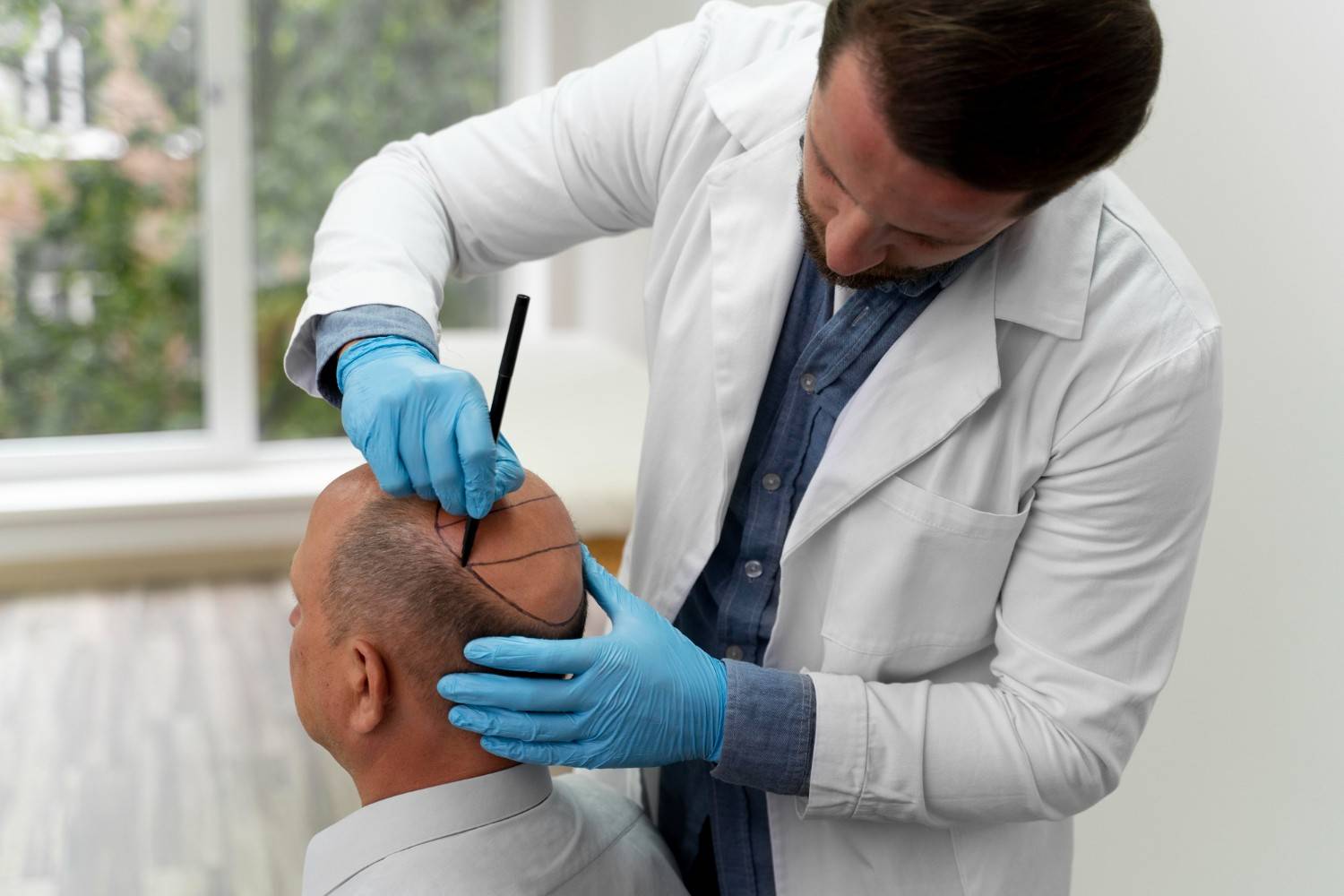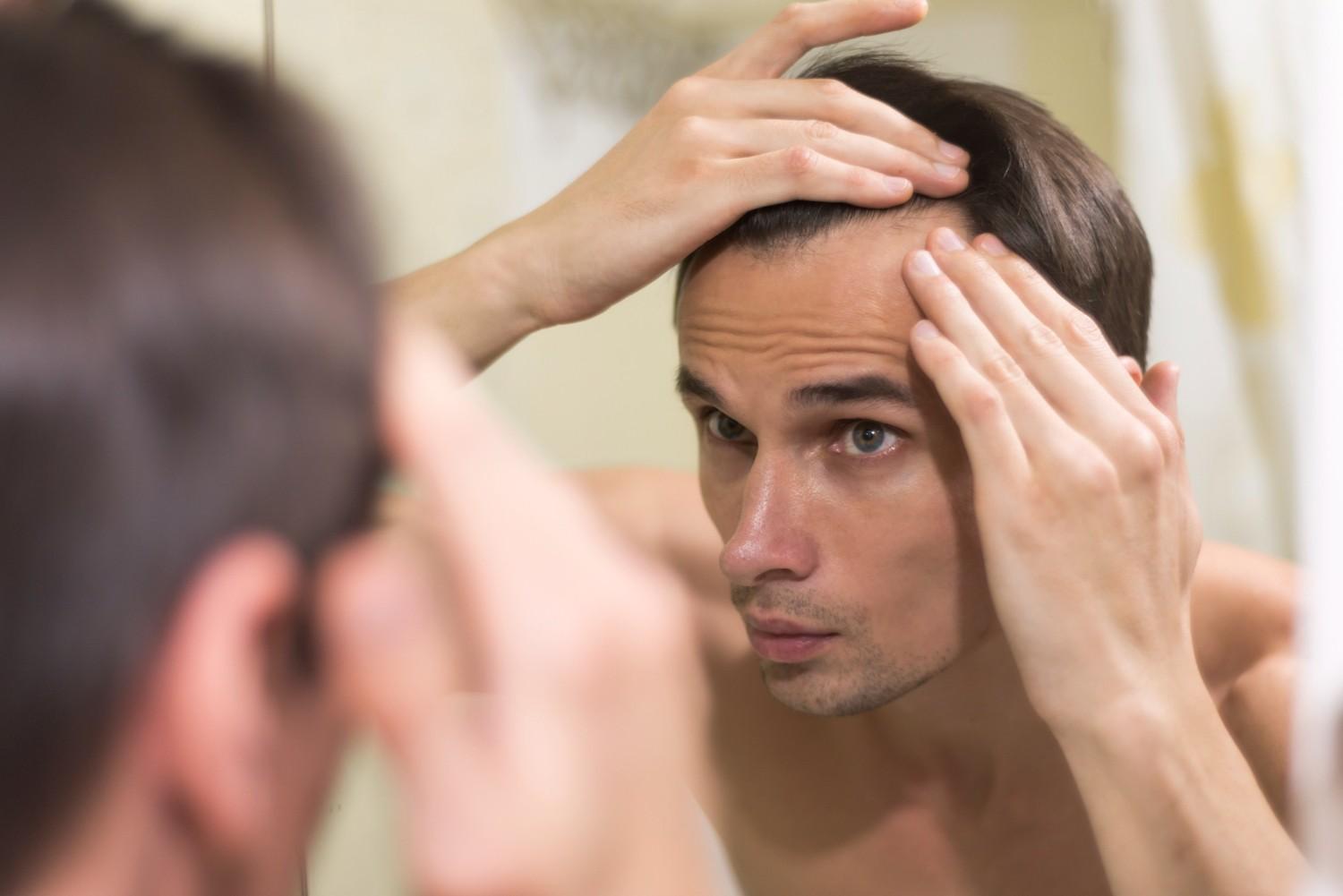
The best place in Florida to get a hair transplant is a common question for people who notice a receding hairline and want real improvement. Many men and women struggle when they see their hairline move back, and it can affect how they feel about their look. Hair restoration is now more common, and people want clear answers. They want to know where to go, who to trust, and what results they can expect.
People who explore treatment often want clear facts, safe methods, and natural results that match their age and face shape. They also want skilled doctors who guide them through each step. Hair Transplant Florida offers support by explaining treatment options, recovery times, and expected results so clients know exactly what to expect. When people learn how hair restoration works, they feel more confident about moving forward. This detailed knowledge helps them plan, compare clinics, and find a treatment that fits their needs and long-term goals.
Signs of a Receding Hairline and When to Act
A receding hairline can appear slowly, so many people do not notice the early changes. Most people first see more scalp near the temples and along the forehead. The hairline may start to form an uneven “M” shape. Some people also see thinner hair in the front that feels soft or weak. These signs can appear in men and women, but men often notice them sooner.
Other signs include extra hair shedding in the shower or during brushing. Some people notice that photos from a few years ago show a fuller hairline. Family history can also play a role, and it may increase the risk. It is important to pay attention to these changes early because early action can protect more hair over time.
When to Act and Seek Help
You should act when the hairline continues to move back or when thinning becomes visible in bright light. A hair doctor can review your hair loss pattern and suggest the right steps. Early checks help you understand why the hairline is changing and what treatments can help. These checks also help rule out health issues that may cause shedding.
Many people ask about the best place in Florida to get a hair transplant when they feel worried about long-term thinning or a visible scalp. A clinic with skilled doctors can offer a hair transplant for a receding hairline, and Florida clients trust it for natural and lasting results. Early visits allow more treatment options, including medical support or non-surgical treatments.
Treatment Timing for FUT and Other Methods
Some people wait too long to seek help, and this can reduce the number of strong donor hairs. Early treatment creates better coverage and improved results. Doctors may suggest a FUT hair transplant or another method, depending on how much hair you have and how far the hairline has moved back. FUT works well for clients who want more grafts in one session.
If you notice changes in your hairline, do not wait for severe thinning. Early action gives you more options, better planning, and better outcomes. A careful review with a trained doctor helps you understand your next steps and supports a natural-looking hairline that matches your face.
Hair Transplant for a Receding Hairline: Florida Treatment Options
People with a receding hairline often want clear choices they can compare with ease. Each treatment works in a different way, and results can vary. Clinics across the state offer many options for a hair transplant for a receding hairline that Florida clients can trust. These options range from surgery to non-surgical support systems that protect and improve the remaining hair. Many clients start by researching the best place in Florida to get a hair transplant so they can work with skilled doctors and get natural-looking results.
FUE Hair Transplant and How It Works
The FUE hair transplant is one of the most popular choices today. Doctors take single hair follicles from strong growth areas on the scalp and place them in the thinning hairline. This method creates small and precise extractions. It also leaves tiny marks that are hard to see once healed. FUE helps clients who want a soft and natural hairline without a clear sign that surgery took place. It also works for different hair types and shapes.
FUE allows clients to build density in the front hairline, which can make the forehead appear smaller and more balanced. Healing time is often shorter, so many clients return to regular activities quickly. A trained doctor can create a custom plan that matches face shape and hair growth goals. This plan helps the new hair blend with the existing hair for a realistic finish.
Other Surgical and Non-Surgical Options
Doctors sometimes suggest other treatments to support hairline growth. These can include medical products that slow down thinning and protect the remaining hair. Some clinics also offer growth support treatments for the scalp. These treatments increase blood flow and help the hair stay strong for a longer period. When combined with surgery, they boost long-term results and protect the investment.
Non-surgical options cannot replace lost hair on their own, but they can delay further hairline loss. This delay gives clients more time to plan a future transplant with better donor hair reserve. A mix of surgery and support methods can create a fuller look without sudden changes.
Choosing the Right Treatment for Your Hairline
Every client has a unique pattern of thinning, so there is no single best method for everyone. A doctor checks the hairline shape, hair thickness, donor hair strength, and long-term goals. These details help build a plan that fits the client’s needs. Some clients need more density, while others need better shape and balance at the front.
A skilled clinic explains each step, from treatment design to final results, so clients know what to expect. Asking about experience, hairline design skill, and healing support can help clients make a smart choice. The right treatment leads to natural growth, clean density, and a healthy-looking hairline that matches age and face shape.
What Makes the Best Place in Florida to Get a Hair Transplant
Finding the best place in Florida to get a hair transplant matters because not all clinics offer the same level of care, skill, or results. Clients with thinning hair or a receding hairline want safe treatment, clear communication, and natural improvements. The right clinic checks your needs, explains your options, and helps you understand the hair loss causes that may affect long-term results.
These details support better planning and more realistic expectations for your outcome.
A clinic also needs strong processes that protect donor hair and improve the final look. Clients who want a hair transplant for a receding hairline in Florida often need careful design to avoid a sharp or artificial front line. This is why the right clinic matters, because hairline design requires both medical training and an artistic approach. Below are key factors that help define the best clinic for this type of procedure.
Surgeon Experience and Skill Level
The surgeon’s experience can change the final result in a major way. A skilled surgeon understands how hair grows, how to protect the donor area, and how to shape a natural hairline. They also know how to manage different hair textures and scalp types. Experienced surgeons often have training in hairline planning, donor management, and graft placement timing. These details support natural outcomes without a “plugged” look.
Before and After Results Show Real Proof
Photo galleries help clients see how the clinic handles real cases. Clear photos with different angles allow clients to judge density, shape, and healing. Good clinics share photos of both men and women, because results can vary. High-quality results often show strong density and soft outlines at the front. This proof helps clients make smart decisions with real expectations.
Reviews and Client Feedback Build Trust
Client reviews offer honest insight into the clinic’s care, support, and results. Reviews can show how clients felt during each step, from the first call to the final checkup. Good reviews often mention comfort, natural results, surgeon involvement, and helpful staff. Positive feedback builds trust and gives clients peace of mind before treatment begins.
Clinic Technology and Tools Matter
Advanced tools help clinics harvest and place grafts with care. These tools protect hair follicles and support better survival rates. Modern technology also reduces recovery time and improves accuracy during surgery. Clinics that invest in updated systems show commitment to strong results. They also create a safer and more comfortable experience for the client.
Natural Results Are the Main Goal
The final goal of any transplant is a natural look. Good clinics design hairlines that match age, face shape, and hair type. They place grafts in a way that copies how hair grows in natural patterns. This ensures the result blends well and does not stand out. Natural results also mean healthy donor areas, because doctors must protect the back and sides for future needs.
Take the First Step Toward a Better Hairline
If you are ready to improve your hairline and want natural results, now is a great time to talk with a skilled clinic. Our team will guide you through each step so you understand what to expect from start to finish. To learn more about treatment options and pricing, contact us today and get the support you need.
FAQs
How long does a hair transplant take?
A hair transplant can take a few hours, depending on the method and graft count. Most clients go home the same day.
Will the results look natural?
Yes, when done by skilled doctors. Modern techniques help match your natural hair pattern for a soft front hairline and natural density.
How soon will I see new hair growth?
Most clients start to see early growth within three to four months. Full results often take nine to twelve months.
Is a hair transplant painful?
Most clients feel minimal discomfort because the area is numbed. Mild soreness can happen, but it fades within a few days.
Can a hair transplant stop future hair loss?
A transplant restores hair in thinning areas, but it does not stop future hair loss. Some clients use support treatments to slow down thinning.