Who are the Top-rated Hair Transplant Doctors in Florida for Male Pattern Baldness Treatment?

Hair transplant doctors in Florida help men who struggle with hair loss and early baldness. They offer safe methods that restore hair in a natural way. Many clients need real help because thinning hair affects how they look and feel. These doctors listen to each client and guide them with clear steps and honest advice. They explain what a hair transplant is, how it works, and what results to expect.

In Florida, many men search for doctors with strong skills and experience. Some look for treatments for male pattern baldness, while others want to fix thinning areas. Many doctors use updated tools that support safe and smooth procedures. Hair Transplant Florida gives clients helpful information so they can make good choices about their hair.

What Makes Top Hair Transplant Doctors in Florida Stand Out?

Training Basics

Hair transplant doctors in Florida train for many years. They finish medical school, and then they train in skin or plastic care. Study how hair grows. They learn safe methods that help men with male pattern baldness. This strong base helps them make clean plans for each client.

Board Proof

Top-rated hair transplant doctors hold board papers. These papers show that they passed hard tests. The tests check skill and care. Many have papers in skin care or plastic care. This helps them do safe work with clear steps and clean tools.

Work Years

Many doctors have long years of experience in hair care. They know how to plan and how to place hair. Know how to fix thin spots. They help men who lose hair at a young age. They also fix hair loss in older men.

Care Focus

The best doctors focus on male pattern baldness. They use FUT hair transplant and other safe ways. They look at the hair line and plan for a natural look. Give simple tips that help men heal and grow new hair.

Key Factors to Compare When Reviewing Hair Transplant Doctors in Florida

Board Papers

When you compare hair transplant doctors in Florida, check their board papers. These papers show that the doctor finished strong training and passed hard tests. This helps you feel safe about their work and skills.

FUE and FUT

Top-rated hair transplant doctors know FUE hair transplant and FUT hair transplant. These methods help move hair in a safe way. Ask how many cases they have done and how long they have used these methods.

Clinic Tools

Hair transplant doctors in Florida often use tools like NeoGraft, ATERA, Ellis, Cole, and WAW. These tools help make clean work with less pain and less downtime. Ask the doctor which tools they use and why they use them.

Talk Time

A good clinic gives a clear and long talk before the treatment. The doctor checks your hair loss and your goals. They tell you what can help and what results you can expect. This helps you make a good choice.

Client Words

Read the client’s words and look at the before and after photos. These reviews show how the doctor treats people and what the results look like. Strong reviews and clear photos help you feel sure about your doctor choice.

Most Common Treatment Options for Male Pattern Baldness in Florida Clinics

Hair transplant doctors in Florida use many safe treatments for male pattern baldness. Each option helps in a different way. Many clients want real growth and a natural look. Top-rated hair transplant doctors explain each choice in simple words so clients can decide with confidence.

FUE Method

This method moves single hairs from the donor area to thin spots. FUE does not use a long cut. It helps reduce marks and gives a clean look. It helps male pattern baldness by filling areas that lose hair over time.

FUT Method

FUT takes a small strip of hair from the back of the head. The doctor then places the hair into thin areas. This method helps with larger bald areas. It gives strong growth for male pattern baldness in a steady way.

PRP Care

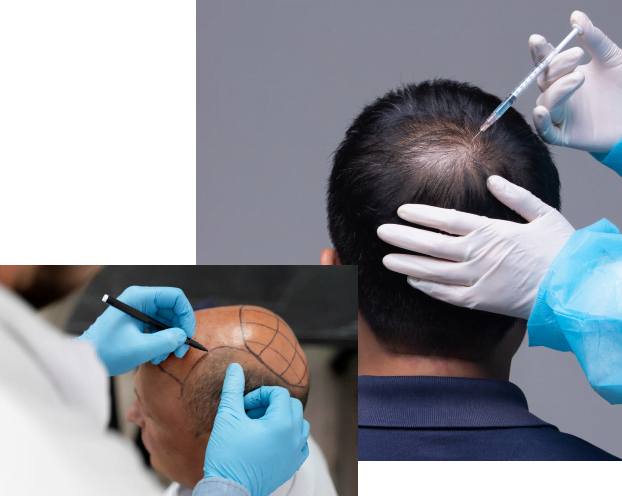
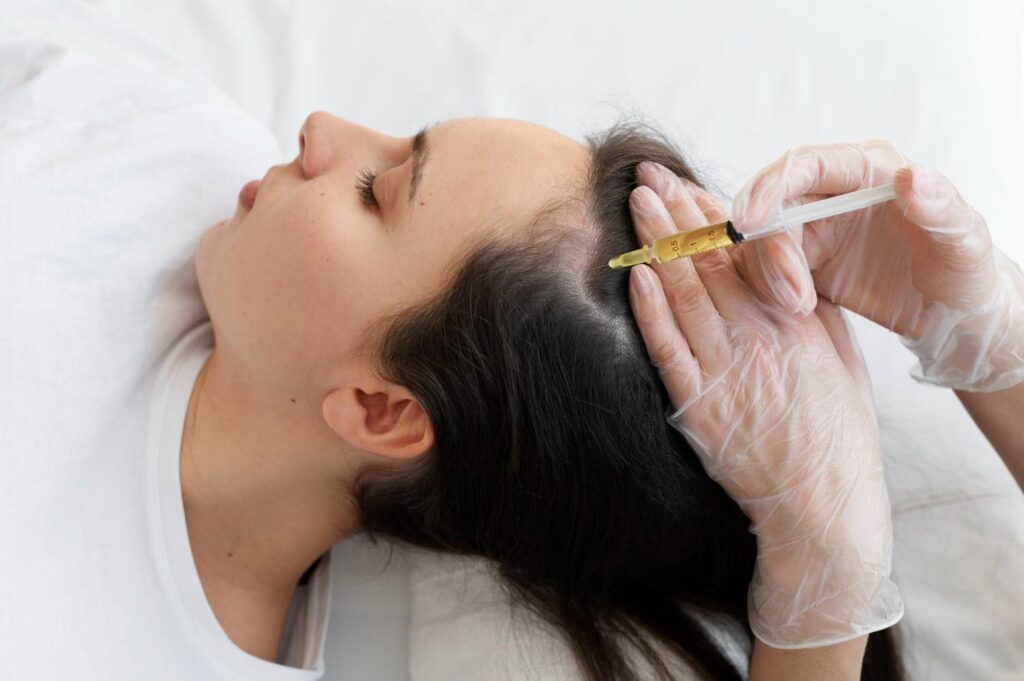
PRP uses a small amount of the client’s blood. The doctor spins it to make a rich mix. They place it into the scalp to help weak hair grow. This can help slow male pattern baldness and support thicker hair.

SMP Ink

SMP uses tiny dots of ink to make the scalp look full. It does not grow hair. Gives the look of short hair with no shine. It helps men who want a shaved style with less notice of male pattern baldness.

Laser Light

Laser therapy uses soft red light on the scalp. It helps blood flow and may support hair growth. Does not hurt and has no downtime. It helps male pattern baldness by keeping hair stronger for a longer time.

Meet the Top-Rated Hair Transplant Doctors in Florida

Hair transplant doctors in Florida help men with hair loss through safe and proven care. These clinics serve clients in Sarasota, Tampa, and Boca Raton. They focus on training, skill, and natural results. They use updated tools and methods that support clean growth and strong client trust. Many clients choose these top-rated hair transplant doctors for their education, hands-on care, and strong reviews.

Dr. Kristopher Hamwi

Dr. Kristopher Hamwi is a Harvard-trained and Board Certified plastic surgeon. He has more than ten years of surgical experience. He specializes in hair restoration for male pattern baldness. Performs FUT and FUE procedures along with PRP care. He uses WAW, Ellis, Cole, and ATERA systems to support clean graft work. His clients note natural results and a calm bedside style. He treats clients in Sarasota and helps many who travel for care.

Sia Gieger, PA-C

Sia Gieger is a trained Physician Assistant in Sarasota. She works on FUE hair restoration cases with focus and skill. She trained under Dr. Hamwi and Rhonda Daniels, PA-C. Her work shows clean placement and natural hairlines. She has a background in internal medicine, skin care, and surgery. She stays active during consults, pre-op, and post-op care. Clients note that she listens well and gives honest advice. She serves male pattern baldness clients who want gentle care and detailed results. She practices in Sarasota.

Rhonda Daniels, PA-C

Rhonda Daniels, PA-C, is a Board Certified clinician with strong hair care experience. She performs FUE hair transplants and related procedures. She trained in many systems, including ARTAS, ATERA, WAW, Ellis, S.A.F.E., MAMBA, and Cole. Has a long clinical history that includes trauma care and advanced hair restoration. She worked in top clinics and trained other providers. Clients report natural growth and kind support during the process. She treats hair loss cases in Sarasota and works with men who want a clean and realistic look.

What Male Clients in Florida Should Expect During a Consultation

Top-rated hair transplants in Florida guide male clients through a clear and calm visit. The goal is to learn what the client wants and what results are possible. The doctor talks in simple words and checks the scalp with care. This helps the client understand each step in the process.

Expectations Talk

The doctor asks about the client’s goals, past hair loss, and general health. They explain what hair growth looks like after treatment. This helps set honest expectations.

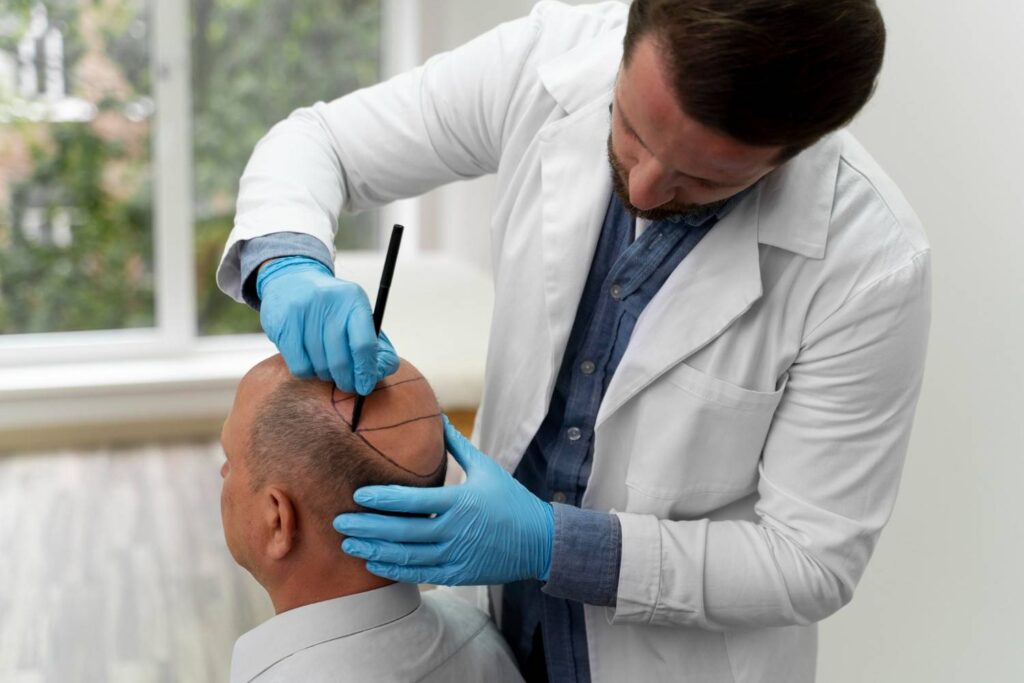
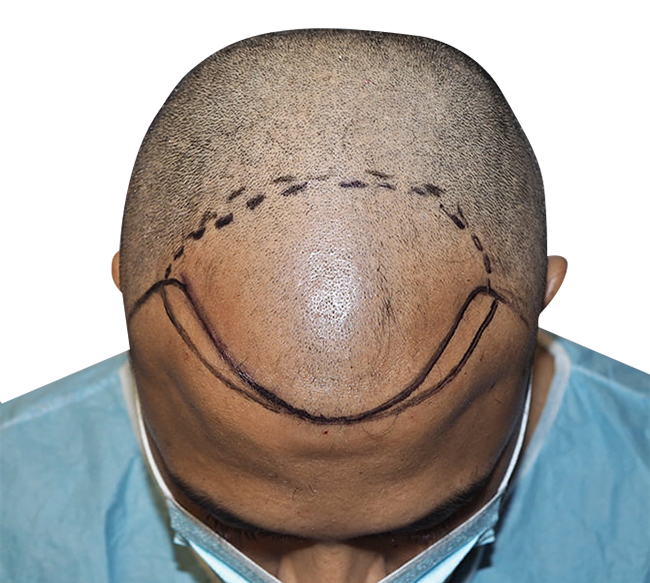
Hairline Plan

The doctor draws or explains a natural hairline. They look at head shape, age, and future hair loss. This helps keep a natural style as years pass.

Treatment Map

The doctor explains which method can help. They go over FUE or FUT and other care options. They explain how each method works and why it fits the client.

Graft Count

The doctor checks how many grafts are needed for thin or bald areas. They show the donor zone and explain how grafts get moved. This gives the client a clear picture of coverage.

Price Details

The doctor gives clear pricing so there is no confusion. They explain how prices can change based on graft counts and methods. Clients can ask about payment plans if needed.

Down Time

The doctor explains how long it takes to heal. They explain activity limits and how to care for the scalp. They also explain when the client can go back to work.

Check Ups

The doctor explains follow-up visits. They check growth and healing over time. They answer questions and help support a smooth recovery.

Start Your Hair Restoration Journey Today

Choose expert care that focuses on natural growth and long-term confidence. Our team guides each client with simple steps and clear information from start to finish. To learn more about your options and treatment plans, contact us for a consultation.

FAQs

1. How long does a hair transplant take to heal?

Most clients heal within several days. Full hair growth takes months because new hair grows slowly. Your doctor guides you through each step.

2. Are hair transplants safe for male pattern baldness?

Yes, they are safe when done by trained doctors. They use clean tools and proven methods to help restore hair in a natural way.

3. Do hair transplants look natural?

A trained doctor creates a natural hairline that matches your age and face shape. This helps new growth blend in with your existing hair.

4. Can women get hair transplants, too?

Yes, many women with thinning hair can benefit. Doctors check the scalp first to see if a procedure will work for their type of hair loss.

5. How long until I see results after a hair transplant?

Early shedding is normal. New hair usually starts to grow in a few months. Full results often show within one year for most clients.

How Long Does It Take to Heal from a Hair Transplant

The length of time for the scalp to heal after hair restoration surgery will depend
on the type of transplant that was performed. There are two types of hair
transplants that are commonly utilized. One is a follicular unit transplant (FUT)
and follicular unit extraction (FUE). The FUE technique is highly preferred as its
less invasive, requires no stitches, and leaves no scarring.
FUE Technique
The full healing time for the FUE procedure is typically 7 to 10 days. It’s less
invasive and signs of a FUE restoration typically only last a week. Individuals
experience less discomfort than with other methods. It’s performed on an
outpatient basis with a local anesthesia and no hospital stays are required.
In the FUE procedure, one hair follicle at a time is transplanted, usually from the
back of the head to where hair is thinning. It’s more affordable, since it enables
the surgeon to remove and transplant more follicles at a time. FUE has a 90 to 95
percent transplant survival rate. It leaves a microscopic divot where the follicles
were removed.
FUT Technique
Healing time for a FUT restoration is typically 10 to 12 days. Many individuals
report more discomfort due to swelling. The FUT technique has a success rate of
approximately 75 percent. The procedure leaves a thin, linear scar.
With the FUT technique, the surgeon removes long, thin pieces of tissue from the
back of the head. Follicles from the strip are then harvested and transplanted.
FUT is often recommended for individuals that don’t have sufficient hair from the
traditional donor zone.
Consult a Specialist
Consulting with a surgeon specializing in hair transplantation is critical. They’ll
obtain an extensive medical and family history, examine the scalp, and make a

diagnosis. Individuals will then be informed of the findings and a specific method
recommended that’s designed to obtain the best results for their specific needs.

To schedule your hair transplant/hair restoration appointment at one of our South Florida Centers please contact us at (941) 315-7033

Is There a Best Age to Get a Hair Transplant?

A hair transplant prior to the age of 25 isn’t advised as there’s still the potential for ongoing hair
loss Most hair restoration specialists recommend the age of 30 before receiving a transplant.
Before that, there’s no way to know exactly how and where hair loss will progress. Even more
importantly, there’s no way to predict which hair follicles will remain productive.
Prior to the age of 30, most men are advised to utilize medications designed to minimize and
manage hair loss until the time that they’re ready for the procedure. By the age of 30, hair loss
has often stabilized, making a transplant much more effective. However, if other methods prior
to the age of 30 are unsuccessful, individuals may qualify for a transplant.
Symptoms
The best time for a hair transplant for those with male-pattern baldness is when symptoms are
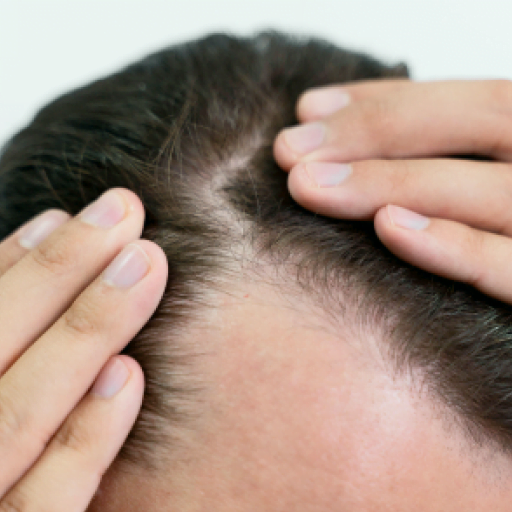
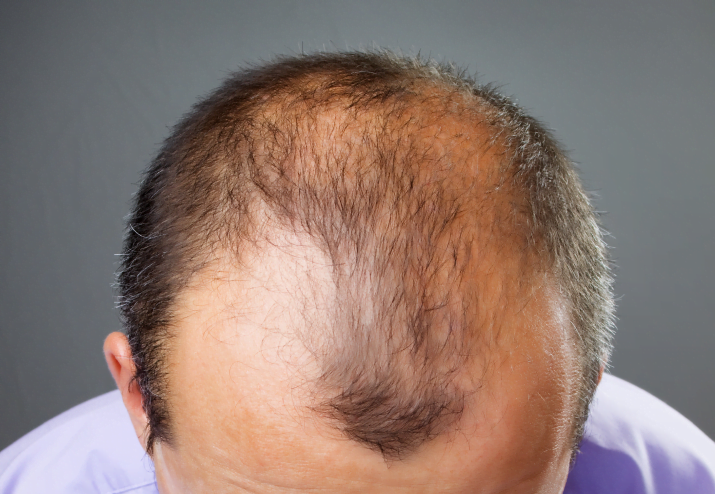
first observed – usually around the age of 30. Symptoms can be a bald spot on top of the head
or a receding hair line. Men can have a successful hair transplants up to the age of 75.
A Common Problem
Male-pattern baldness is a common problem that affects approximately 50 percent of all men.
Hair loss can be traumatic. It affects an individual’s self-confidence and that can extend to
personal and business relationships. Male-pattern baldness is a problem that progresses slowly
over several years. It may go unnoticed until hair loss has become advanced.
Transplant Specialist
Even for those that haven’t reached the age of 30, a consultation with a hair transplant surgeon
is beneficial. The specialist can determine the type of hair loss that an individual is experiencing
through an examination and extensive family and medical history. If a hair transplant is in their
future, individuals will have the information they need to make an informed decision and plan
for their future needs.

Is There a Link Between Stress and Hair Loss?

Stress can definitely affect hair loss. High levels of stress, and long-term stress levels, affect the
body in multiple ways. Stress triggers the body’s fight or flight response and the release of
hormones that readies the body for action. Hair will typically grow back when stress levels
return to normal.
Stress related hair loss may go unnoticed at first. However, larger amounts of hair in a
hairbrush than normal, or drains that are suddenly slowing due to hair are sure signs of loss. It’s
important to a hair loss specialist – the professional will be able to diagnose the exact cause of
the loss.
Telogen Effluvium
The most common hair loss condition is telogen effluvium. Hair has an active growing and
resting phase. The condition forces hair follicles into a resting phase. Some individuals
experience this type of hair loss a few weeks or even months after extended levels of stress. It
can also occur after one particularly stressful event.
New Research
Hair growth is a far more complex and complicated process than it seems. New research has
revealed that stem cells reside in hair follicles. During hair’s active growth phase, stem cells
divide, creating new cells that will regenerate hair. Stem cells are inactive during the hair’s
resting phase.
A study on mice at Harvard University, discovered that cortisone (in mice) and cortisol (in
humans) that’s present in stress hormones, inhibited hair growth. High cortisone levels also
reduce hyaluronic acid in the scalp.
Chronic and long-term stress increased cortisone levels in mice by approximately 40 percent. It
also prevented a molecule from being secreted that activates stem cells to stimulate hair
growth. The research also discovered the role that stress plays in gray hair. While the research
is still in its early stages, it bodes well for those suffering with hair loss due to stress.

To schedule your hair transplant/hair restoration appointment at one of our South Florida Centers please contact us at (941) 315-7033

Can My Alopecia be Cured?

If you have alopecia areata, it’s important to understand what it is to make informed decisions. It’s an immune system disease that causes the body’s immune response to attack hair follicles. It also produces inflammation. Hair will typically fall out in circular patches approximately the size of a quarter.Alopecia patches can also be larger or cause complete hair loss. The disease may affect facial hair, eyebrows and eyelashes, and beards. No redness, rash or scarring is typically observed, though some people have reported itching, tingling or a burning sensation before hair falls out. There is no cure for alopecia.One of the unique aspects of alopecia is that certain genes have been linked to its development, but there’s no way to predict who will develop the disease. Anyone can develop alopecia, even if you have no family history of the disease. However, if you have thyroid disease, psoriasis or vitiligo, you’re more likely to develop the alopecia. You’re also more likely to have allergies such as hay fever.The first episode typically develops in the teens, 20s or 30s, though there have been cases in children younger than 10. When it appears in young children, it tends to be more aggressive. Science hasn’t determined any obvious or specific trigger. It could be anything from elevated stress levels or an illness.Alopecia varies among people and its unpredictable. You could have periods of hair loss throughout your entire lifetime. Conversely, you may only have one episode. Some people experience complete hair regrowth while others won’t have any. You may also notice changes in your nails, with ridges or pits developing.There’s no cure for alopecia, but there are some treatments that aid in helping hair grow back more rapidly. A dermatologist may prescribe corticosteroid injections at the site of the hair loss with tiny needles or oral immunosuppressants. Treatments don’t prevent new patches from forming, but aids in temporarily suppressing the immune response.

Hair Transplant Of Florida

Our Florida Hair Transplant Centers pride themselves on providing the most advanced hair transplant in Florida. Dr. Kristopher Hamwi, Clinician Sia Gieger, and Clinician Rhonda Daniels are all specialists in the field of hair restoration., Rest assured that your balding hair is in good hands.

To schedule your hair transplant/hair restoration appointment at one of our South Florida Centers please contact us at (941) 315-7033

What to Expect During Hair Transplant Recovery

The good news is that most hair transplant procedures are outpatient surgery and individuals go home the same day. The recovery process is dependent on the type of transplant that’s performed and side effects are usually resolved within 10 to 14 days.

Side Effects

Like any surface surgery, there will be some side effects and they’re typically temporary. They can occur at the donor hair site and the transplant location. Side effects can include redness or bruising, scabs and crusting, itching, and loss of feeling. Some men may experience pain or throbbing, a feeling of tightness or swelling.

Recovery

Individuals may be able to remove bandages on the first day and wash their hair on the second day. On the third to fifth day, men may be able to return to their normal activities. However, strenuous activity can cause bleeding. On the tenth day, the stitches (if any) may be removed by the surgeon.

After Care

The healthcare provider will issue specific instructions. They will vary and are reliant on the surgery type. Those orders should be followed stringently. The healthcare professional may want to see the individual several times during the first month. A return to normal activities will rely on the type and complexity of the surgery.

Fallout

Many individuals discover that their transplanted hair falls out in a few weeks following surgery. Rest assured that this is normal. It will take 5 to 6 weeks before new hair begins to grow as the transplanted follicles become accustomed to their new “home.” Individuals can expect to see approximately half an inch of growth thereafter.

Follow Up

Depending upon the extent of the hair loss, a follow-up may be required with additional micro-grafts. The goal is to restore an individual’s hair to its natural appearance. Men should discuss this and any side effects they may be concerned about with their surgeon.

Hair Transplant Of Florida

Our Florida Hair Transplant Centers pride themselves on providing the most advanced hair transplant in Florida. Dr. Kristopher Hamwi, Clinician Sia Gieger, and Clinician Rhonda Daniels are all specialists in the field of hair restoration., Rest assured that your balding hair is in good hands.

To schedule your hair transplant/hair restoration appointment at one of our South Florida Centers please contact us at (941) 315-7033

5 Common Causes for Hair Loss in Men

No one wants to look in the mirror and see a receding hairline or thinning at the crown. It affects a man’s self-confidence and perception of self. There are a number of reasons for male hair loss, with the following being the most common.

Genetics

While there’s no way to change a person’s genetic makeup, it does provide a clue as to who may experience hair loss. It’s not just men that pass their genes to their offspring. Women supply half those genes and they also experience hair loss.

The chances that an individual will experience hair loss is greater if their father did, but it also depends on the genes inherited from both parents. There are individuals that experience complete hair loss, while their father retained a full head of hair.

Hormonal Changes

As men age, hormone levels begin to decline. Those changes affect the rate of growth, life cycle of each hair, and shrinks hair follicles. The result is thinning and hair loss as strands aren’t replaced as quickly or not at all.  Some men are more sensitive to hormonal changes than others.

Medical Conditions

Cancer treatments are a well-known cause of hair loss. There are some surprising medical conditions that can also affect hair loss. They include cardiovascular disease, high blood pressure, gout and arthritis. Those with lupus, diabetes and depression are at a higher risk of hair loss. The hair loss of alopecia areata is an immune system condition that attacks hair follicles.

Medication

Many medications have the potential for hair loss. Some of the most common are those to lower cholesterol, blood thinners, beta-blockers, non-steroid anti-inflammatories, and antidepressants. Thyroid medications and steroids can also affect hair loss.

Stress

High levels of sustained stress impact the body in a variety of ways and that includes hair loss and thinning. Stress results in the release of fight or flight hormones within the body, which can cause hair follicles to halt their natural growth cycle.

Hair Transplant Of Florida

Our Florida Hair Transplant Centers pride themselves on providing the most advanced hair transplant in Florida. Dr. Kristopher Hamwi, Clinician Sia Gieger, and Clinician Rhonda Daniels are all specialists in the field of hair restoration., Rest assured that your balding hair is in good hands.

To schedule your hair transplant/hair restoration appointment at one of our South Florida Centers please contact us at (941) 315-7033

What is a Hair Transplant?

A hair transplant moves hair from one area of the scalp to another and can be performed in several ways. Everyone isn’t a good candidate for a transplant and the surgery should only be done by a highly trained professional.

Treatable Conditions

The procedure is effective for treating a variety of hair loss problems, including alopecia areata, an autoimmune disease of the hair follicles. It’s applicable for thyroid disease and decreases in hormones that occur as men age.

Good Candidates

Those that choose a hair transplant will need to be in good health and still have areas of thick hair growth on the scalp from which the hair samples can be taken. It’s important for individuals to have realistic expectations about their replacement results.

Different Methods

There are different methods that can be employed to perform a hair transplant. They include grafting, scalp reduction, and flap surgery. Grafting is the most common in which small pieces of skin that contains healthy hair are taken and transplanted to areas of the scalp where hair is the thinnest. When the skin at the transplant site heals, the hair will continue to grow. It’s also known as a micrograft.

Scalp reduction is often used for alopecia. A small area of bald skin is removed and a loosened flap of nearby skin that contains growing hair is pulled over the bald area, then stitched into place. It’s best for bald spots on the top and back of the head.

Flap surgery is typically for large bald areas toward the front of the scalp. It’s performed in stages over several weeks and involves superficial cuts around three sides of where the hair will be taken. The 4th side is left attached to maintain blood supply. It’s later cut and lifted over the bald spot. It requires general anesthesia.

Hair Transplant Of Florida

Our Florida Hair Transplant Centers pride themselves on providing the most advanced hair transplant in Florida. Dr. Kristopher Hamwi, Clinician Sia Gieger, and Clinician Rhonda Daniels are all specialists in the field of hair restoration., Rest assured that your balding hair is in good hands.

To schedule your hair transplant/hair restoration appointment at one of our South Florida Centers please contact us at (941) 315-7033

Skip to content